

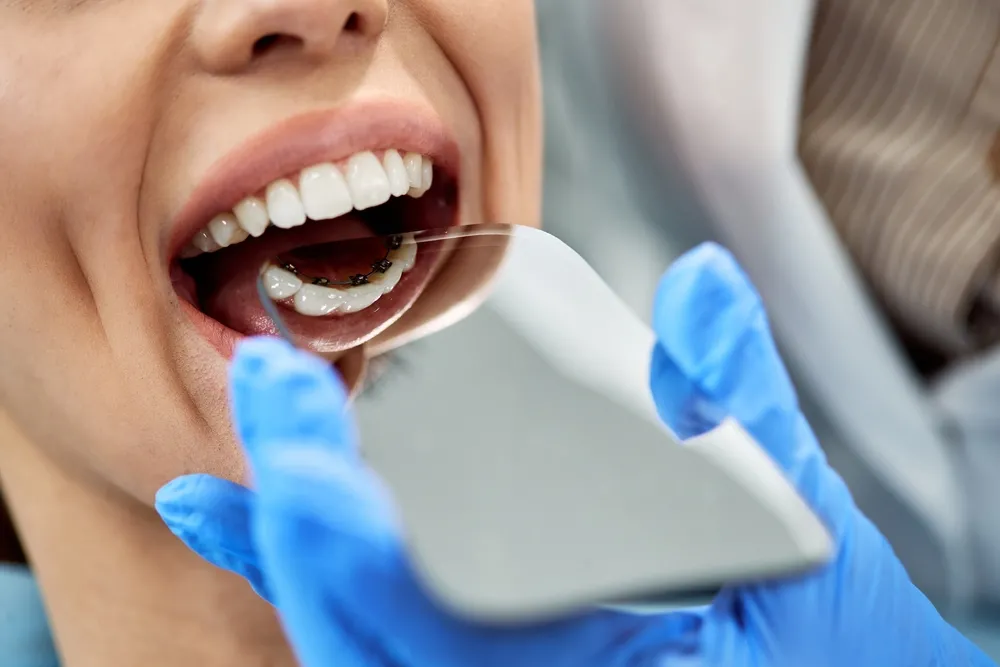
Have you been considering getting braces as an adult but aren’t fond of the idea of metal braces or invisible liners? Thankfully, there is another option called lingual braces. These braces are paving the way for alternative and discreet braces and are having life-changing effects for people who want braces in today’s world of white smiles and perfect teeth.
A Better Option
One of the best things that lingual braces offer that you won’t find with traditional braces is that they are placed behind your teeth, hidden from view. This allows you to have a discreet smile that’s being ‘secretly’ corrected on a daily basis. So, while you might be jumping for joy thinking of finally getting the smile correction you want or need, let’s go over whether these are the right braces for you.
The Advantages
One of the clear and most obvious advantages of braces placed behind your teeth is that they are practically invisible to other people. Unless someone is watching you speak very closely, they will not notice that you have braces. Another thing that you might want to consider when thinking of getting lingual braces is that upon removal of traditional braces, you may have to deal with little white squares where the braces once were. With lingual braces, everything happens behind your teeth, and this discoloration won’t be noticeable to the public.
Another great reason for not getting traditional braces is if you place an instrument. When you play a clarinet, oboe, or flute, the reed and mouthpieces make constant contact with your mouth, which can be really uncomfortable while playing. A final great reason to get lingual braces is that you don’t have to take them off like you would with Invisalign. They stay on all the time, just like traditional braces. Despite all these good things, there are cons to having lingual braces.
The Disadvantages
While the advantages of lingual braces might sound like the answer for you, there still are things to be wary of. A lot of people who have tried lingual braces have had issues with tongue irritation. There’s also the chance that you may just hate the feeling of discomfort of wearing braces. Another thing is that you will likely find that your speech will be temporarily changing as you get used to wearing lingual braces. This can last between two and three weeks before your mouth gets adjusted to its new settings.
Another thing to be wary of is that with the back facing braces you may have a harder time spot food that’s stuck in the cracks. You may not notice spots that need attention. Lingual braces as also only done by an orthodontist who has specific training and certifications, so finding the right ortho to apply them is important.
Schedule a Complimentary Consultation
With the pros and cons in mind about the possibility of lingual braces you can book an appointment with Encino orthodontist Dr. Bita to decide if this is the right step for you on the path to straighter teeth.