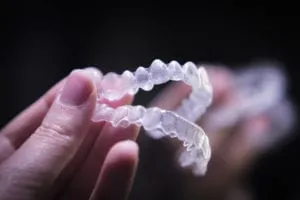
Frequently Asked Questions
How can I determine the best orthodontic treatment options for my specific needs?
To determine the best orthodontic treatment options for your specific needs, schedule a consultation with an orthodontist. They will assess your teeth, discuss your goals, and recommend the most suitable treatment, such as braces, Invisalign, or other options based on your individual requirements.
What are the benefits of choosing clear braces?
Choosing clear braces offers several benefits, including improved aesthetics, discreet treatment, easier maintenance, and reduced self-consciousness. Clear braces are less noticeable than traditional metal braces, making them a popular choice for individuals seeking a more subtle orthodontic treatment option. Additionally, clear braces are typically more comfortable and can be removed for eating and cleaning, leading to better oral hygiene during treatment.
Are there any orthodontic treatment differences for adults and children?
Yes, there are differences in orthodontic treatments for adults and children. Adults may require longer treatment times due to fully developed jaws, while children benefit from growth guidance. Treatment options like clear aligners are popular for adults, while traditional braces are common for children.
Can orthodontic treatment with clear braces correct all types of dental misalignments?
Orthodontic treatment with clear braces can correct various types of dental misalignments, including overcrowding, spacing issues, overbites, underbites, and crossbites. However, severe cases may require traditional braces or additional interventions for optimal results. Regular consultations with an orthodontist are essential for personalized treatment plans.
How do I maintain oral hygiene with clear braces?
Maintaining oral hygiene with clear braces is crucial. Brush after every meal using a soft-bristled brush and fluoride toothpaste. Floss daily with a floss threader or interdental brushes. Rinse with an antimicrobial mouthwash. Attend regular dental check-ups for professional cleaning and guidance.
What should I expect during my first orthodontic consultation?
During your first orthodontic consultation, you can expect a thorough examination of your teeth and jaw, discussion of treatment options, potential X-rays or impressions, and a personalized treatment plan. The orthodontist will address your concerns and provide information on the process and timeline of your orthodontic treatment.
How long does the orthodontic treatment process usually take?
The duration of orthodontic treatment varies depending on individual needs, but typically ranges from 18 to 36 months. Factors such as the severity of misalignment, type of treatment, and patient compliance can influence the timeline. Regular appointments and following orthodontist recommendations are crucial for successful outcomes.
What factors should I consider when selecting an orthodontist?
When selecting an orthodontist, consider factors such as experience, credentials, treatment options, cost, location, and patient reviews. It's essential to choose a specialist who aligns with your needs and preferences for effective orthodontic care.
How can I find out if clear braces are covered by my dental insurance plan?
To determine if clear braces are covered by your dental insurance plan, contact your insurance provider directly. Inquire about orthodontic coverage, specific details on clear braces, any associated costs or limitations, and whether pre-authorization is required for coverage. Review your plan documents for clarity on coverage specifics.
What orthodontic issues can clear braces fix?
Clear braces can effectively address various orthodontic issues such as crooked teeth, overcrowding, gaps between teeth, and bite alignment problems. They offer a discreet and convenient alternative to traditional metal braces, providing a more aesthetically pleasing option for individuals seeking orthodontic treatment.
How long does clear braces treatment last?
Clear braces treatment typically lasts between 18 to 24 months, depending on individual alignment needs and treatment progress. Regular adjustments and proper oral care can help achieve desired results within this timeframe.
Can adults benefit from orthodontic treatments?
Yes, adults can benefit from orthodontic treatments. These treatments can improve oral health, correct misalignments, enhance aesthetics, and boost self-confidence. Options like clear aligners make orthodontic care discreet and convenient for adult patients. Regular consultations with an orthodontist can determine the best treatment plan for individual needs.
What is the success rate of clear braces?
The success rate of clear braces is high, with most patients achieving desired results. Factors like compliance, treatment complexity, and individual response can influence outcomes. Regular follow-ups and proper care are crucial for optimal results.
How often should I visit the orthodontist?
It is generally recommended to visit the orthodontist every 4 to 8 weeks for adjustments and progress checks during orthodontic treatment. After treatment, regular visits for follow-up and maintenance are typically advised every 6 months.
Are clear braces more effective than traditional?
Clear braces are equally effective as traditional braces in correcting dental issues. They offer a more discreet appearance and are preferred by many adults and teenagers. However, the effectiveness of both types of braces ultimately depends on individual dental needs and compliance with treatment.
What dietary changes are needed with braces?
When wearing braces, it's important to make dietary changes to avoid damaging them. Opt for soft foods like yogurt, mashed potatoes, and smoothies. Avoid hard, sticky, or chewy foods that can cause brackets to break or wires to bend. Remember to cut food into small, manageable pieces to prevent damage.
Can I play sports while wearing braces?
Yes, you can play sports while wearing braces. It is important to wear a mouthguard to protect your braces and teeth. Consult your orthodontist for specific recommendations and adjustments to ensure your safety and comfort during physical activities.
How to manage discomfort with clear braces?
Managing discomfort with clear braces involves using orthodontic wax to alleviate irritation, sticking to soft foods initially, taking over-the-counter pain relievers as needed, and maintaining good oral hygiene. Regular adjustments and communication with your orthodontist are essential for a comfortable experience.
What financing options are available for orthodontics?
Financing options for orthodontic treatment typically include dental insurance coverage, flexible payment plans offered by orthodontic offices, health savings accounts (HSAs) or flexible spending accounts (FSAs), and third-party financing through companies like CareCredit. Some orthodontists may also offer in-house financing options or discounts for upfront payments. It's essential to inquire about these options and choose the one that best fits your financial situation.
Do clear braces require special maintenance techniques?
Clear braces, like Invisalign, require specific maintenance techniques. Regular cleaning with a soft toothbrush and lukewarm water is essential. Avoiding colored foods and drinks that can stain the aligners is also crucial. Additionally, following the dentist's instructions for wearing and caring for the aligners is important for successful treatment.
Can clear braces stain, and how to prevent?
Clear braces can stain from consuming certain foods or drinks like coffee or curry. To prevent staining, maintain good oral hygiene by brushing after meals, avoiding staining substances, and attending regular dental cleanings. Using a straw for beverages can also help minimize contact with teeth.
How to choose the right type of braces?
When choosing the right type of braces, consider factors like your orthodontic needs, lifestyle, and budget. Consult with an orthodontist to determine if traditional metal braces, ceramic braces, lingual braces, or clear aligners are the best option for you. Each type has its benefits and considerations, so make an informed decision based on your individual preferences and requirements.
How does orthodontic treatment improve dental health?
Orthodontic treatment improves dental health by correcting misaligned teeth and jaws, which can prevent issues like tooth decay, gum disease, and jaw pain. It also enhances bite function, making it easier to chew and speak properly, ultimately promoting overall oral health and hygiene.
What to do in case of a braces emergency?
In case of a braces emergency, such as a broken wire or bracket, contact your orthodontist immediately for guidance. If a piece is loose, try to gently reposition it and cover any sharp edges with orthodontic wax. Avoid eating sticky or hard foods until the issue is resolved.
Are there age limits for orthodontic treatment?
Yes, there are no strict age limits for orthodontic treatment. Orthodontic treatment can be beneficial for individuals of various ages, from children to adults. The suitability of treatment is determined based on individual needs and oral health conditions rather than age restrictions.
What advancements have been made in orthodontics?
Advancements in orthodontics include clear aligner technology, digital scanning for impressions, accelerated orthodontics techniques, and 3D printing for customized appliances. These innovations improve treatment efficiency, comfort, and aesthetics for patients seeking orthodontic care.
Can clear braces treat overbites or underbites?
Clear braces can help correct mild to moderate overbites or underbites by gradually shifting the teeth into proper alignment. However, severe cases may require additional orthodontic interventions such as braces with elastics or other treatments recommended by an orthodontist. Regular consultations are essential for monitoring progress and adjusting treatment as needed.
What is the comparative cost of clear braces?
The comparative cost of clear braces can vary depending on factors like the brand, location, and treatment complexity. On average, clear braces may cost between $3,000 to $8,000, which can be higher than traditional metal braces but offer a more discreet appearance during treatment. Additional expenses may include consultations, adjustments, and retainers. It's essential to consult with an orthodontist for accurate pricing information tailored to individual needs.
How to deal with braces-related speech issues?
When dealing with braces-related speech issues, practice speaking slowly and enunciate clearly. Reading aloud and practicing challenging words can help improve speech clarity. Regular adjustments and communication with your orthodontist are essential for addressing any discomfort affecting speech.
Will braces interfere with playing wind instruments?
Braces may initially affect playing wind instruments due to adjustments in embouchure and airflow. With practice and adaptation, most musicians can overcome these challenges. Using orthodontic wax can help reduce discomfort and improve playing experience. Regular communication with your orthodontist is essential for proper adjustments and guidance.